
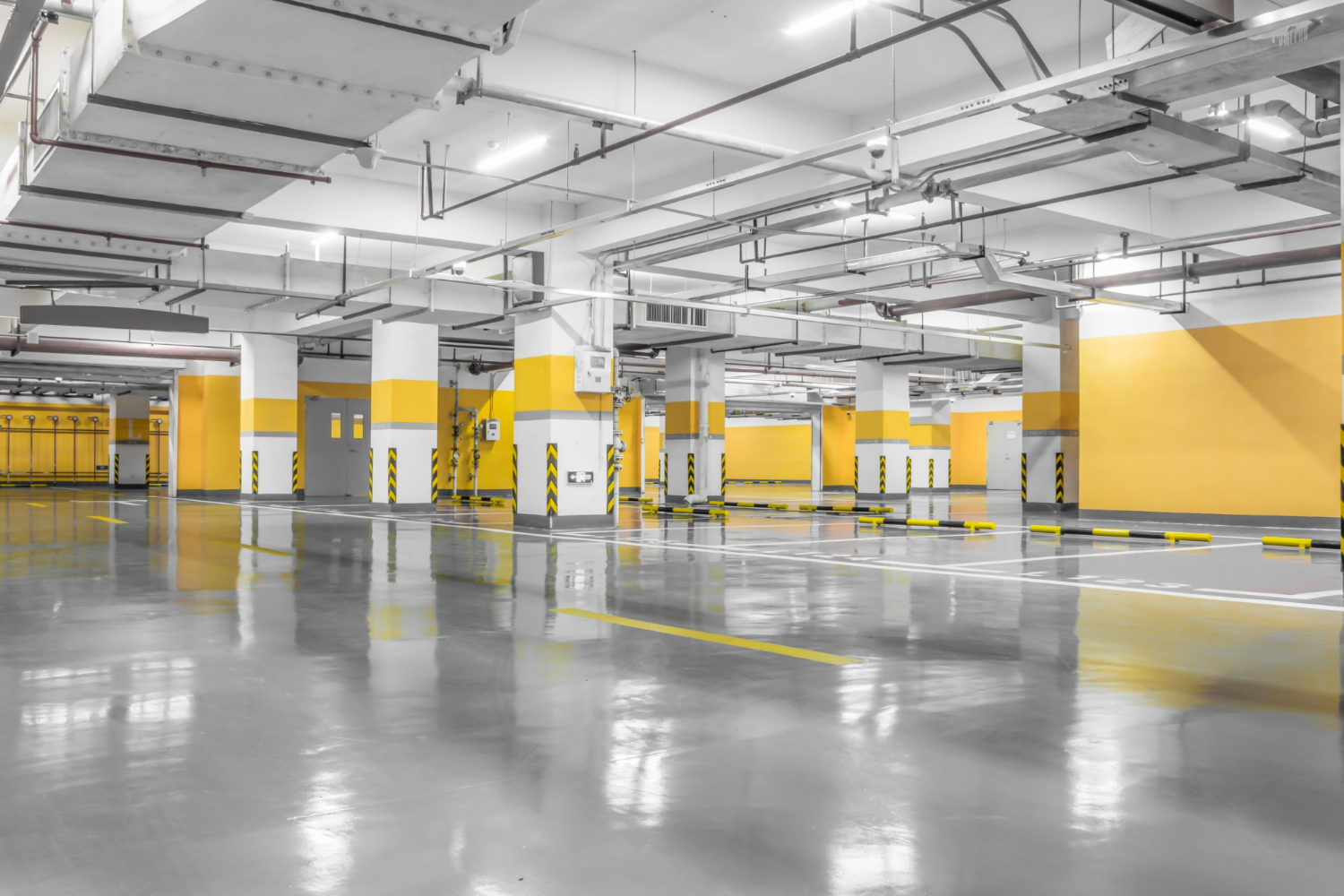
The floor is the hardest-working surface in any building. It carries foot traffic, vehicles, machinery, spills and daily cleaning, and in many properties it is also the first thing visitors notice. That is why more homeowners, businesses and facility managers are choosing epoxy flooring: a tough, seamless and attractive finish that solves several flooring problems at once.
In this article, Osana Holdings explains what epoxy flooring is, the main benefits of having it professionally installed, and what to expect from the installation process.
What Is Epoxy Flooring?
Epoxy flooring is a resin-based coating applied over a prepared concrete surface. Once the resin and hardener are mixed and applied, they cure into a hard, smooth, protective layer that bonds tightly to the concrete beneath. Epoxy systems come in several forms, including self-levelling, flake, metallic, mortar and solid-colour finishes, so the floor can be tuned for performance, appearance or both.
1. Exceptional Durability
A well-installed epoxy floor is built to handle heavy use. It resists abrasion, impact and the wear of constant traffic, which makes it suitable for garages, warehouses, workshops, factories, showrooms and retail spaces. Compared with bare concrete, which can crack, dust and stain, an epoxy coating gives the slab a protective shell that lasts for years when it is installed and maintained properly.
2. Resistance to Chemicals, Oil and Stains
Spills are a fact of life in garages, kitchens, workshops and production areas. Epoxy forms a non-porous surface that resists oil, grease, many cleaning chemicals and everyday liquids, so they wipe away instead of soaking into the concrete. This protects the slab and keeps the space looking clean.
3. Seamless, Hygienic and Easy to Clean
Because epoxy cures into one continuous surface, there are no grout lines or joints where dirt, moisture and bacteria can collect. Cleaning is usually as simple as sweeping and mopping. This is a big advantage for food areas, clinics, laboratories, schools, kitchens and any space where hygiene matters.
4. A Clean, Professional, Attractive Look
Epoxy is not only functional. It can be installed in a wide choice of colours and finishes, including glossy, matte, decorative flake and metallic effects. A glossy epoxy floor also reflects light, making interiors look brighter and more spacious. For homes, it can turn a dull garage or basement into a polished space. For businesses, it creates a strong first impression for customers and visitors.
5. Improved Safety
Epoxy systems can include anti-slip additives to improve grip in wet or busy areas. Bright colours can also be used to mark walkways, machinery zones and hazard areas, which helps keep staff and visitors safe. A smooth, well-finished floor also removes the cracks and uneven spots that can cause trips.
6. Cost-Effective in the Long Run
Epoxy flooring needs less upkeep than many other flooring types, and it does not need regular replacement. Fewer repairs, easier cleaning and a longer service life mean the investment tends to pay for itself over time, especially in high-traffic commercial and industrial settings.
7. Protects and Prolongs the Life of Your Concrete
Bare concrete is porous. It absorbs moisture, oils and chemicals, and it creates dust that can affect air quality and stored goods. An epoxy coating seals the surface, reducing dusting and helping protect the slab from damage.
8. Quick Installation and Less Downtime
Compared with ripping out and replacing a floor, epoxy can be applied over existing concrete once it has been properly prepared. Depending on the system and the size of the area, this means less disruption to your home or business operations.
9. Versatile for Many Types of Property
Epoxy flooring suits a wide range of spaces:
- Homes: garages, basements, patios, laundry rooms and kitchens
- Commercial: showrooms, offices, retail stores, restaurants and gyms
- Industrial: warehouses, factories, workshops, loading areas and storage facilities
- Institutional: schools, clinics, hospitals and laboratories
Why Professional Installation Matters
The quality of an epoxy floor depends heavily on how it is installed. Poor preparation or the wrong product is the main reason epoxy floors peel, bubble or wear early. A professional installer will:
- Assess the slab for cracks, moisture and existing coatings before choosing a system
- Prepare the surface by grinding or cleaning and repairing defects so the epoxy bonds properly
- Choose the right system for your traffic, chemicals, temperature and appearance needs
- Mix and apply correctly, following the manufacturer’s ratios, temperatures and curing times
- Finish cleanly with an even, long-lasting result and advice on how to look after it
This is where working with an experienced team such as Osana Holdings makes a real difference. [Add Osana Holdings’ specific strengths here: years of experience, trained installers, products used, warranty, completed projects.]
What to Expect During Installation
- Consultation and site inspection: We look at your space, discuss your needs and recommend the right epoxy system.
- Quotation: You receive a clear quote based on the area, condition of the floor and chosen finish.
- Surface preparation: The floor is cleaned, ground where needed and any cracks or holes are repaired.
- Primer and epoxy application: The primer and epoxy layers are applied in the correct sequence.
- Finishing and topcoat: A protective topcoat is added for extra durability and shine.
- Curing and handover: The floor is left to cure, then we hand it over with care instructions.
Tips to Keep Your Epoxy Floor Looking New
- Sweep or dust-mop regularly to remove grit that can scratch the surface
- Clean with mild, non-abrasive cleaners rather than harsh chemicals
- Wipe up spills promptly
- Use mats or protective pads under heavy equipment and furniture
- Avoid dragging sharp or heavy objects across the floor

